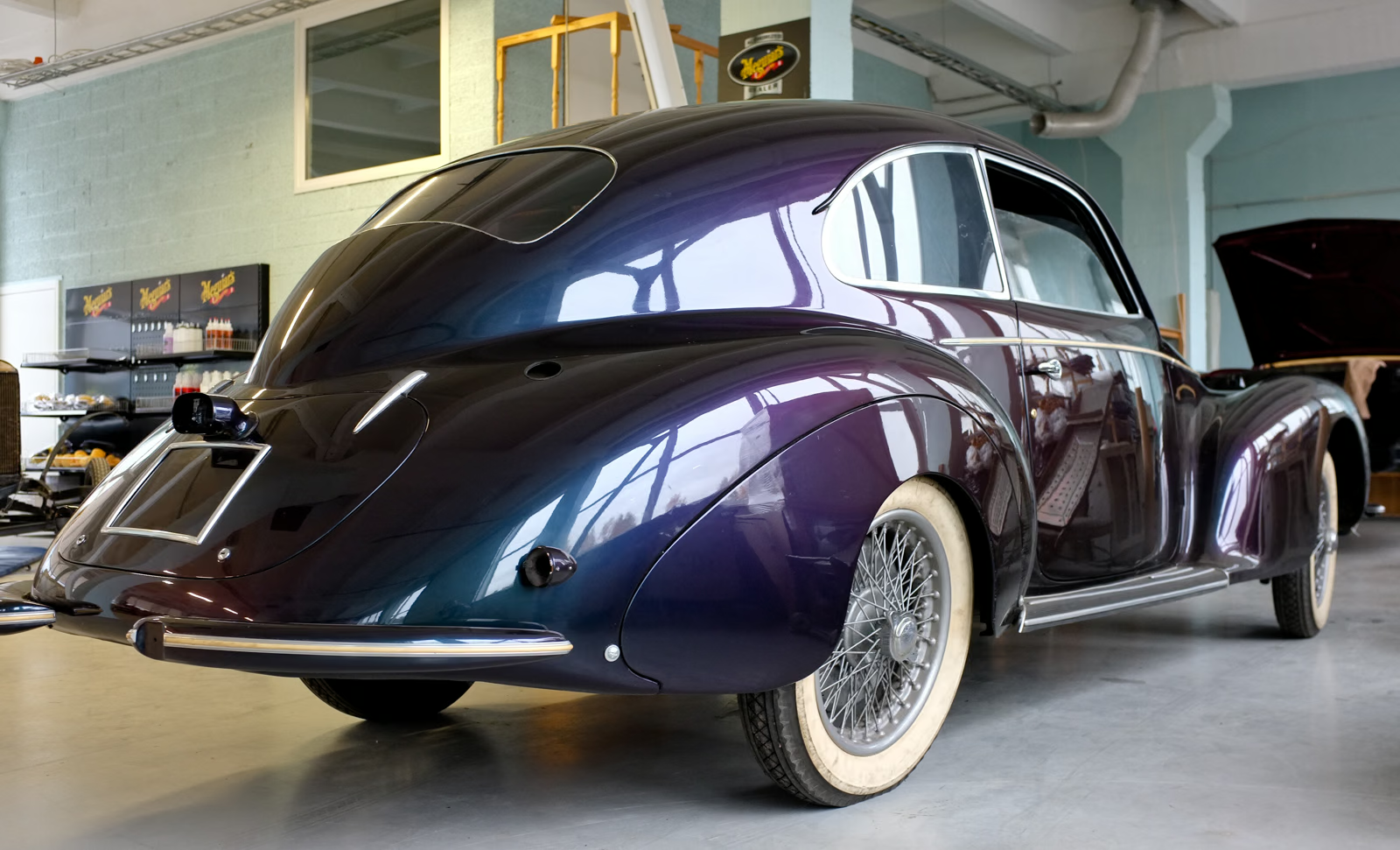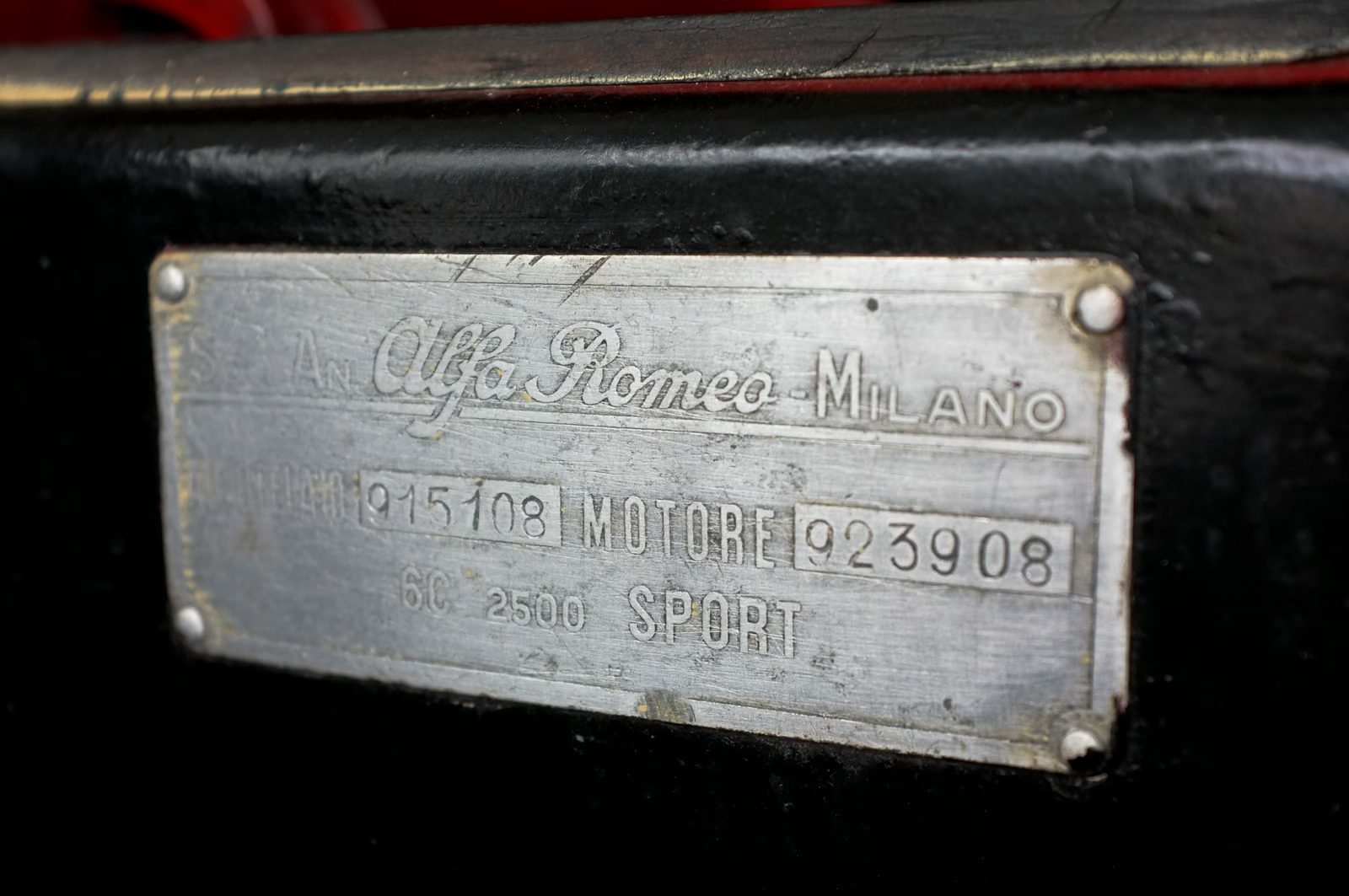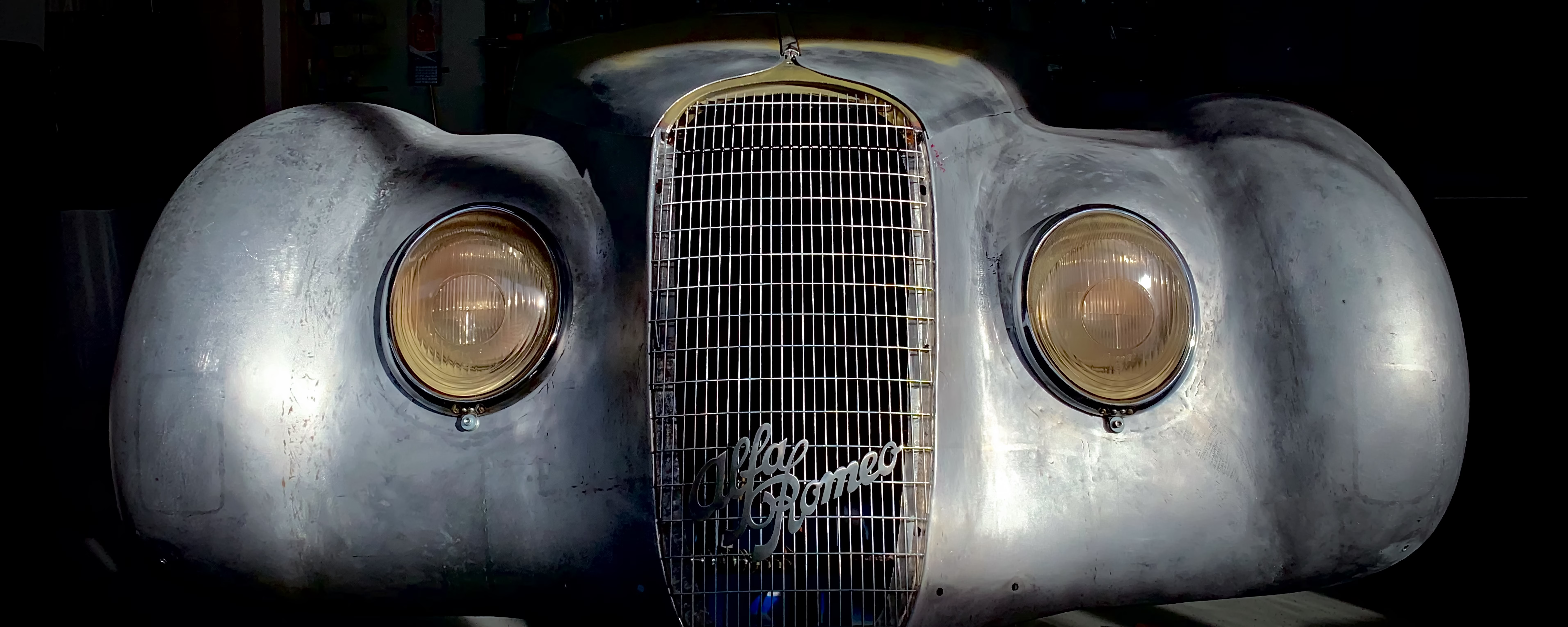
Some restorations are measured in months. This one is measured in years. More than seven years ago, a 1940 Alfa Romeo 6C 2500 Sport Touring arrived at the Benefit AutoKlassika workshop for an extensive, fully documented restoration. Only seven examples in good condition are known to survive.
A pre-war Italian icon
Built between 1938 and 1940, the 6C 2500 Touring Berlinetta is one of the most celebrated pre-war Italian sports cars. Its body was made by Carrozzeria Touring using the Superleggera ("super light") method: a framework of small-diameter tubing covered with thin aluminium alloy panels. The result is light, elegant and very difficult to restore correctly.
Stage 1: Research, documentation and disassembly
Before a single part was removed, we researched the car and documented it in detail. Every component was photographed, catalogued and recorded, creating a restoration archive that guides the whole project. Only then did the careful disassembly begin.
One of the most remarkable things about this car was how complete it was. Despite its age and complex history, it still had virtually all of its original components, with only a few minor interior items missing.
Stage 2: Undoing decades of modifications
The car had survived in relatively good overall condition, but decades of repairs and modifications had changed its original structure. At one point it spent time in Kharkiv, owned by a renowned aeronautical engineer whose structural alterations departed considerably from the factory design. He had made and fitted numerous non-original aluminium parts and, most critically, removed the original body-to-chassis mounting points and welded sections of the body directly to the frame. The front suspension crossmember mounting had also been badly damaged.
Our first task was to reverse all of this. Every non-original structural addition was removed, and we restored the original floor, the Superleggera body frame and the body mounts to the chassis, guided by originality research and period documentation. Each repaired or new structural part was trial-fitted, aligned and welded in place, then protected with premium Standox primers.
Stage 3: Rebuilding the Superleggera body
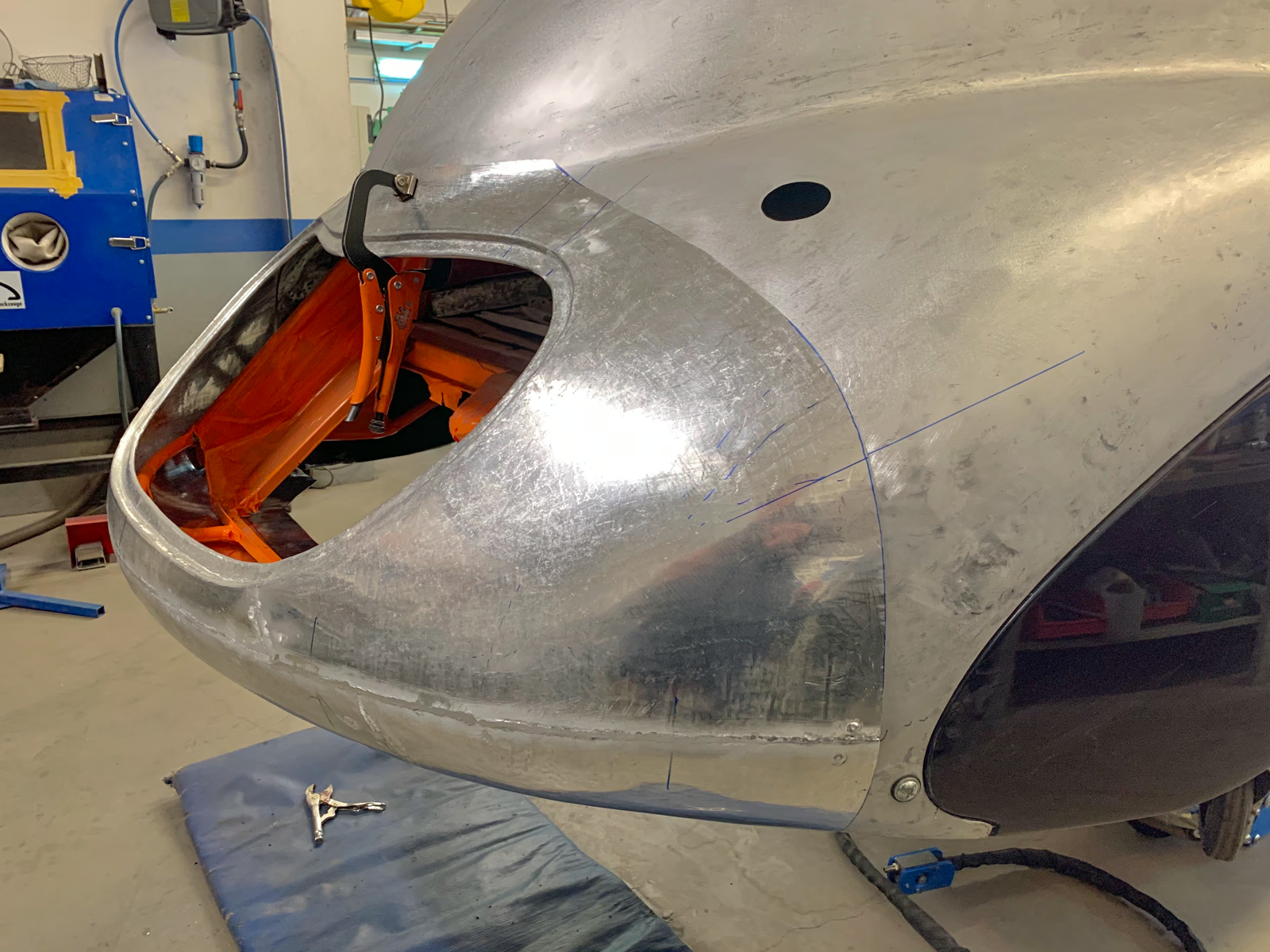
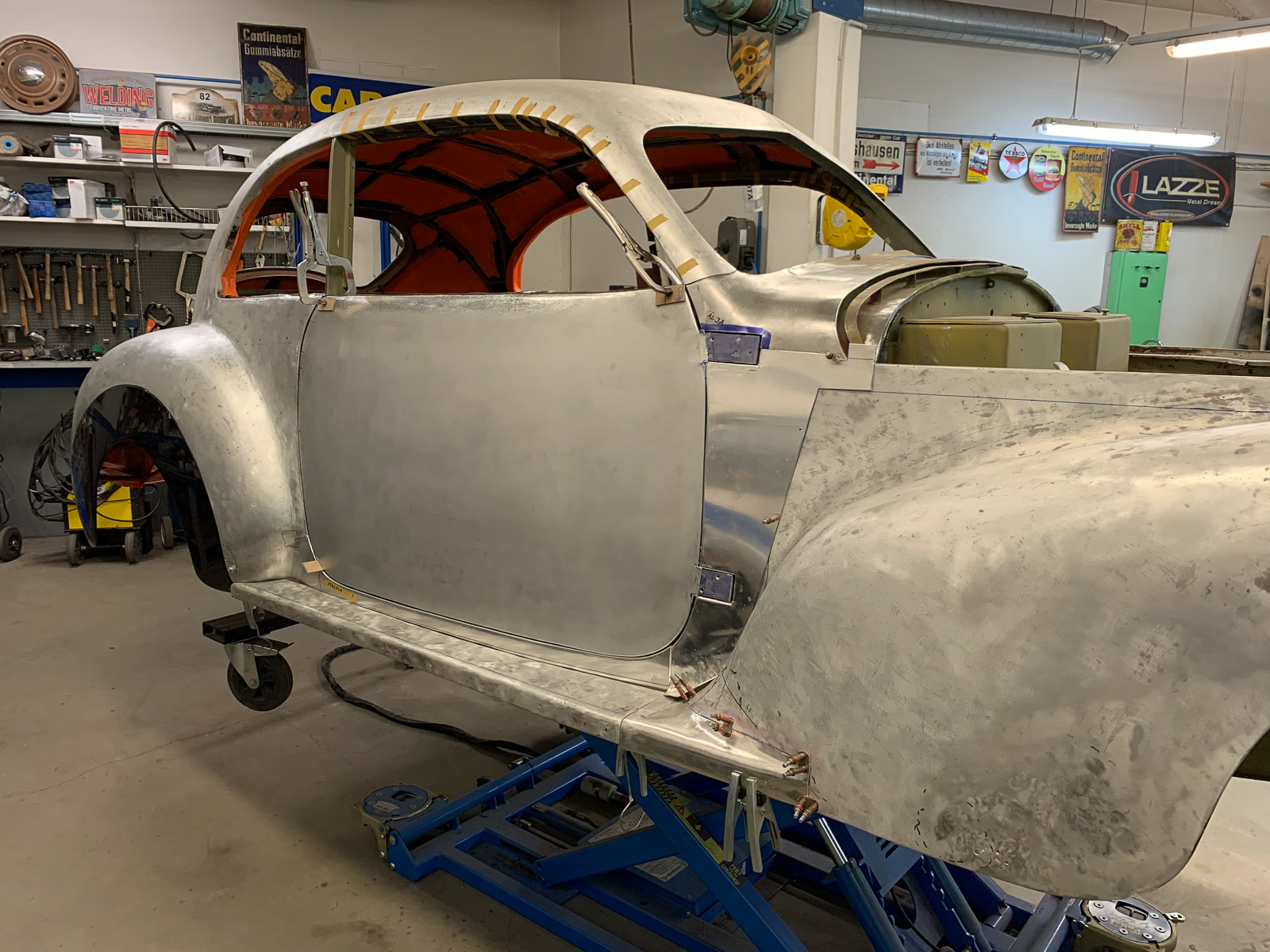
With the structure and body geometry restored, the focus moved to the aluminium coachwork. Many original panels had suffered extensive accident damage and could not be saved. A completely new aluminium rear section and boot lid were made by hand, along with new outer door skins, running boards and sections of the front and rear wings.
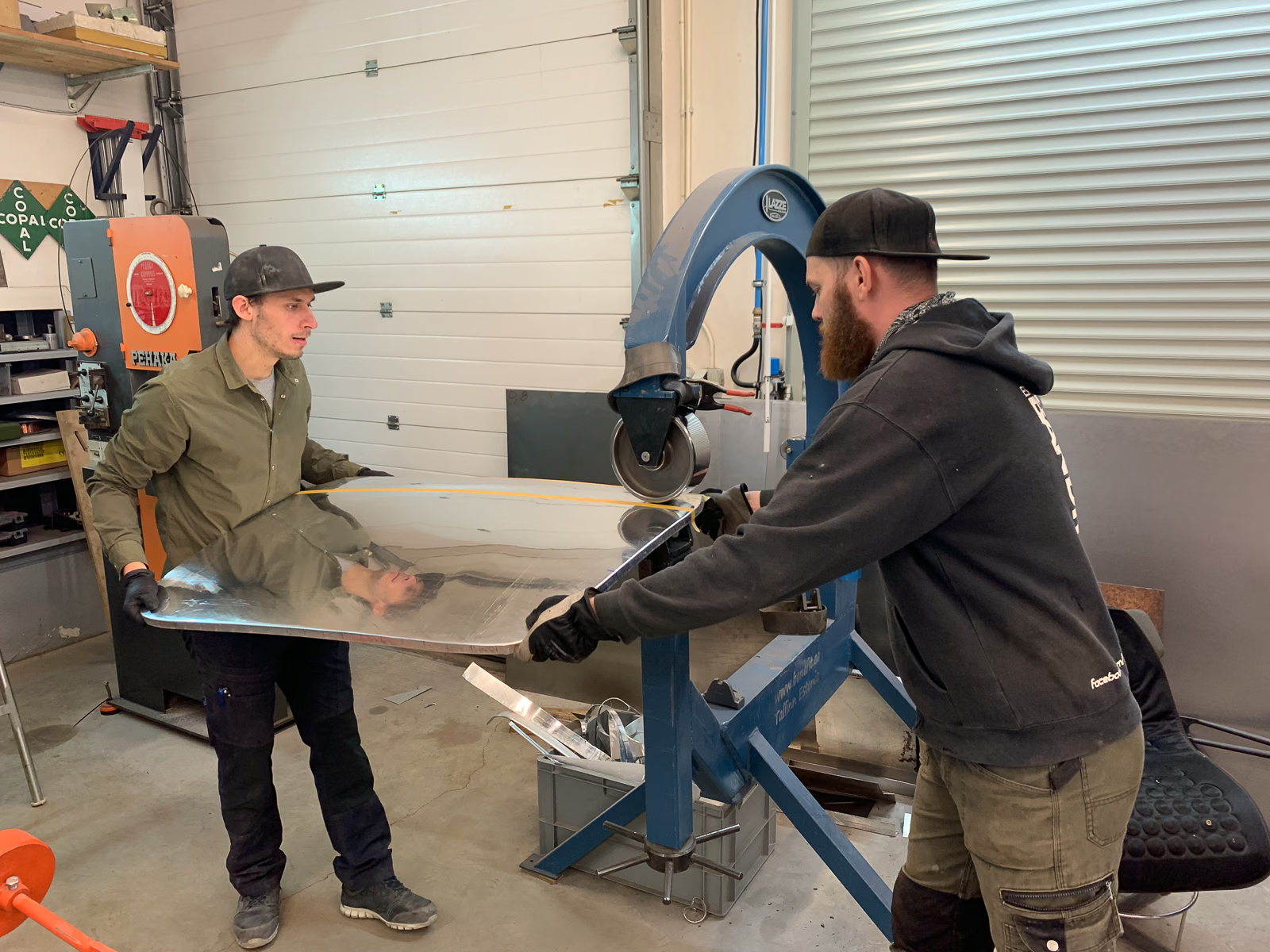
To get the shapes exactly right, the body was 3D-scanned inside and out. The data was used to make a full-size MDF body buck for fitting the rear section parts, giving our coachbuilder the precise form for the complex rear contours. Each panel was then shaped by hand, joined with TIG and gas welding, and finished on the English wheel until it blended seamlessly with the surviving original bodywork.
Restoring the aluminium body alone has taken more than 1,500 hours of skilled work.
What comes next
In Part 2 we look at the interior details and body components, a surprising discovery about this car's origins, paint preparation and the mechanical restoration.
See all photos of this project in our restorations gallery. Planning work on your own classic? Get in touch with us.